Divorce Process Step By Step: Your Complete Guide To A Confident Transition
Getting Started: Understanding Your Divorce Options
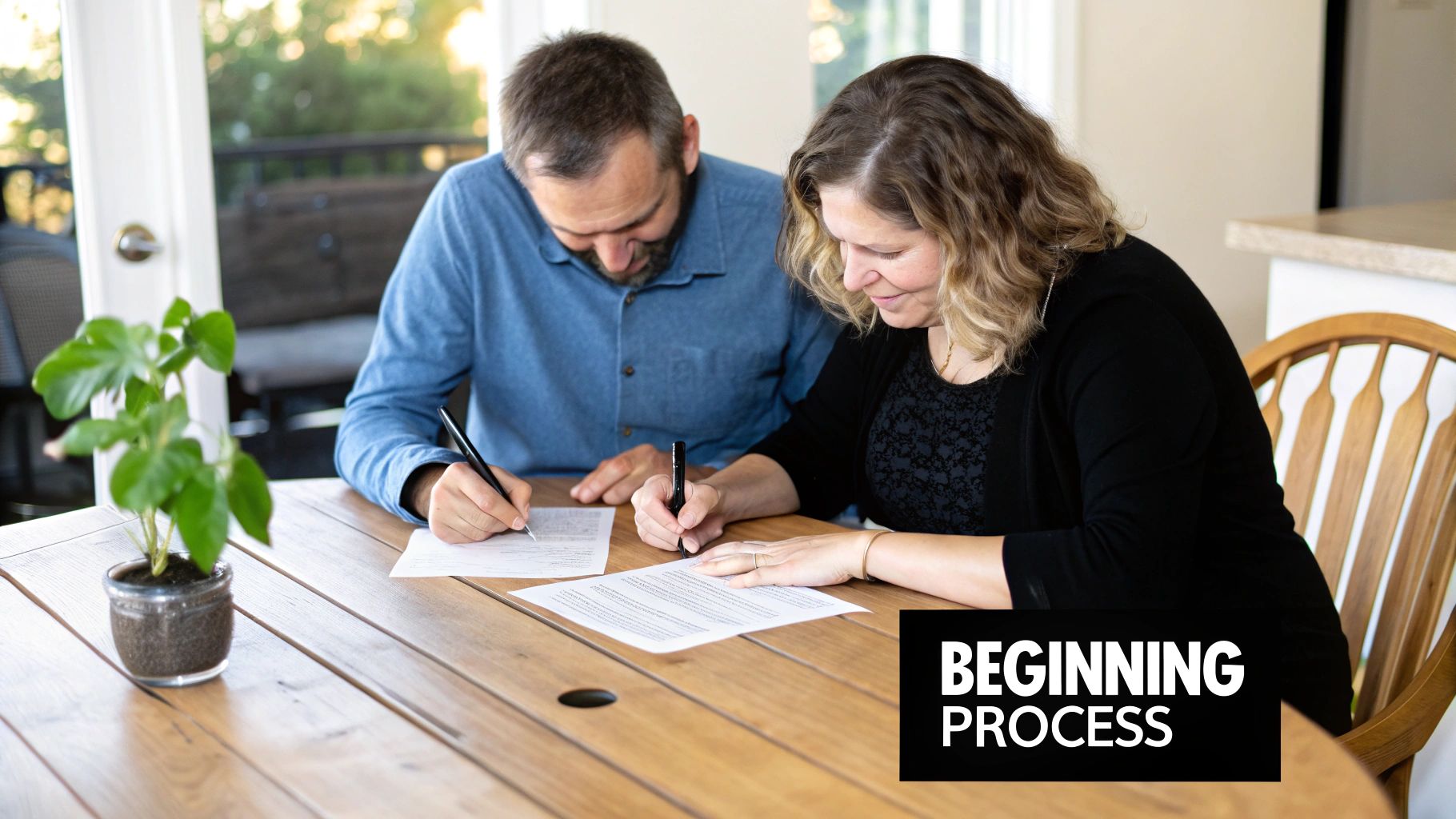
Taking those first steps in a divorce can feel daunting. Having a clear understanding of your options from the beginning helps create a smoother path forward. By carefully considering the different approaches available, you can choose the one that best matches your specific situation and what you hope to achieve.
Exploring Different Divorce Processes
There are several main ways to handle a divorce, each with its own benefits and challenges. Let's look at the most common options:
Uncontested Divorce: This is typically the fastest and most affordable path. It works well when both spouses agree on key issues like property division, child custody, and support payments. Think of it as working together to create a plan you both accept, which makes the whole process run more smoothly.
Contested Divorce: When spouses can't find common ground on important matters, the divorce becomes contested. This usually means going to court, hiring lawyers, and dealing with longer proceedings. For example, if you and your spouse disagree about custody arrangements, you may need to go this route to resolve your differences.
Collaborative Divorce: In this approach, both spouses work with their attorneys to find solutions outside of court. Everyone signs an agreement promising to resolve issues through negotiation. This method helps keep communication open and focused on problem-solving.
Mediated Divorce: Similar to collaborative divorce, mediation brings in a neutral third party to help guide discussions between spouses. The mediator doesn't make decisions but helps facilitate productive conversations. Many couples find this helpful even in complex situations.
Choosing the Right Path For You
The best divorce process for your situation depends on several factors: how well you and your spouse communicate, your financial situation, and whether you have children. For example, if you own significant assets together but struggle to agree on how to divide them, mediation or collaborative divorce might work best. However, if there's a history of abuse or intense conflict, a contested divorce with strong legal protection may be necessary.
Realistic Timelines and Managing Expectations
How long your divorce takes varies greatly depending on which path you choose and your specific circumstances. An uncontested divorce might wrap up in weeks, while a contested one could stretch on for months or years. Being realistic about timing from the start helps reduce stress and uncertainty. Preparing for possible delays and learning about legal requirements gives you more control over the process. Remember that in America, a divorce happens every 42 seconds - you're not alone in this experience. Having the right information about divorce procedures helps you make informed choices and move forward with confidence.
Mastering The Filing Process And Initial Steps
Starting a divorce requires understanding several key legal steps that can significantly affect your case's outcome. From filing paperwork with strict deadlines to taking specific required actions, being well-informed about the initial process helps you build a strong foundation for your case.
Preparing and Filing Your Petition
The divorce process starts when you file a petition (sometimes called a complaint) with your local court. This document formally asks the court to end your marriage and outlines what you want regarding property division, child custody, and spousal support. For the petition to be valid, you must provide accurate information about both spouses - even small errors like incorrect marriage dates can cause delays. While filing seems simple, paying careful attention to details in your petition helps avoid future complications.
Handling Service of Process
After filing, you must legally notify your spouse about the divorce through "service of process." This means delivering copies of the petition and court papers to them in a way that proves they received the documents. You can serve papers through methods approved by your local court, such as using a process server or certified mail. Getting service right is essential - if not done properly, you may have to restart the entire process. Once your spouse is properly served, they have a set time to respond.
Responding to Your Spouse's Actions
Your spouse has several options after being served divorce papers. They might agree with everything in your petition, making it an uncontested divorce. Or they could file a counter-petition with their own requests, which typically leads to a contested divorce needing more negotiation. Understanding these possible responses helps you prepare for what comes next. For example, if your spouse contests the divorce, you'll need to adjust your approach and possibly develop new legal strategies.
Organizing Your Documentation and Avoiding Common Mistakes
Good record-keeping from the start makes a big difference in divorce cases. Keep copies of all court filings, messages with your spouse and their lawyer, and any evidence that supports your case. Make checklists to track required documents and set reminders for important due dates. This organization helps prevent common mistakes like missing deadlines or submitting incomplete paperwork that could delay your case. Think of it like packing carefully for a long trip - having everything in order makes the journey much smoother.
Strategic Financial Planning And Asset Division

Managing finances during divorce requires careful planning and a clear understanding of the process. As you work through separating shared assets and accounts, having a structured approach helps protect your financial future. Let's walk through the key aspects of financial planning and asset division during divorce.
Financial Disclosure: Transparency Is Key
The first step in fairly dividing assets is full financial disclosure from both parties. This means sharing complete details of all bank accounts, investments, properties, retirement funds, and debts like credit cards and mortgages. For instance, failing to disclose an inherited property could result in legal penalties. Open and honest disclosure creates the foundation for an equitable division of assets.
Property Valuation: Determining What's What
After disclosure comes valuation - figuring out what everything is worth. While bank account balances are straightforward to assess, other assets need expert evaluation. Real estate requires professional appraisals, and businesses need detailed analysis of their current value and future earning potential. Getting accurate valuations through qualified experts ensures assets are divided fairly based on their true worth.
Negotiation Strategies: Protecting Your Interests
Once you have a clear picture of all assets and their values, negotiations begin. Working with legal counsel or a mediator, you'll determine how to divide assets and debts. The key is balancing firm advocacy for your interests with reasonable compromise. A give-and-take approach often leads to faster resolution while protecting what matters most to you.
Dividing Complex Assets: Retirement Accounts and Business Interests
Some assets require special handling during divorce. For example:
- Retirement accounts need specific legal documents called Qualified Domestic Relations Orders (QDROs) to avoid tax penalties when dividing them between spouses
- Business interests may need professional valuation and creative solutions like offsetting the value with other assets or creating a structured buyout plan
Each situation requires careful consideration of tax implications and long-term financial impact.
Building Your Post-Divorce Financial Foundation
The final phase focuses on establishing financial stability after divorce. This includes creating a realistic budget that fits your new circumstances, learning more about managing money independently, and working with financial advisors as needed. Taking proactive steps to handle your finances helps ensure long-term security as you move forward.
Creating Effective Child Custody And Support Plans
When going through a divorce, creating a solid plan for child custody and support is one of the most important steps. This involves much more than just determining where children will live - it requires developing thoughtful arrangements that put children's wellbeing first while creating healthy family dynamics that work for everyone involved.
Understanding Child Custody Arrangements
Parents have several options when it comes to custody arrangements. Physical custody determines where children primarily live, while legal custody covers who makes major decisions about their upbringing. Many families now choose joint physical custody, where children spend meaningful time with both parents, though schedules vary based on individual circumstances. With joint legal custody, both parents participate in key choices about education, healthcare and other important matters. In some cases, sole custody may be awarded to one parent, with the other typically receiving visitation rights. Courts focus on establishing arrangements that best serve children's needs.
Developing A Child-Focused Parenting Plan
A detailed parenting plan helps parents successfully raise children together after divorce. The plan outlines specifics like the residential schedule, holiday arrangements, and how parents will handle decision-making. For instance, it specifies which parent handles school pickup on particular days, how to coordinate extracurricular activities, and the process for making medical choices together. Having a clear, well-thought-out plan reduces potential conflicts and gives both parents and children stability as they adjust to new family dynamics.
Calculating Child Support Payments
Child support ensures both parents contribute financially to raising their children. The amount is typically calculated based on factors like each parent's income, number of children, and state guidelines. Some states use straightforward percentage-based formulas, while others account for additional costs like childcare and medical expenses. These guidelines aim to create fair, predictable support obligations that meet children's needs.
Addressing Modifications and Enforcement
As life circumstances change, custody and support orders may need updating. Major changes in income, relocations, or evolving children's needs can warrant modifications. Parents can request changes through the court with proper documentation explaining why updates are needed. If parents don't comply with orders, courts have tools to enforce them, like wage garnishment for missed support payments. Having clear processes for modifications and enforcement helps maintain stability for children over time.
Prioritizing the Child's Emotional Well-being
Supporting children emotionally through divorce is just as important as handling legal arrangements. This means having age-appropriate conversations about changes, maintaining open communication between parents and children, and getting counseling support when needed. Parents who work to minimize conflict and maintain positive relationships create a more secure environment for their children during this transition. Focusing on children's emotional health while working out practical arrangements leads to better outcomes for the whole family.
Maximizing Mediation And Negotiation Success

Strong mediation and negotiation skills are key pillars of a smooth divorce process. When used effectively, these approaches can help you save time and money while reducing emotional strain. By mastering these skills step by step, you'll be better equipped to work through disagreements and reach mutually beneficial solutions.
Choosing The Right Mediator
Finding the right mediator sets the foundation for successful mediation. Look for someone who brings both family law expertise and a proven record of helping couples reach agreements. Your mediator should be a neutral third party who can guide productive discussions and help both sides find common ground. For instance, if you have a complex custody situation, seek out a mediator with specific experience in high-conflict custody cases.
Preparing For Productive Sessions
Getting ready for mediation takes thorough preparation, similar to preparing for an important business meeting. Gather all relevant financial records, clearly outline your goals, and think through areas where you might be willing to compromise. Having documents organized and ready helps you negotiate from a position of knowledge. Set realistic expectations - mediation aims to find workable solutions, not declare winners and losers.
Mastering Negotiation Techniques
Good negotiation involves more than just stating what you want. Take time to understand your spouse's perspective and seek opportunities for agreement. When discussions get heated, stay focused on finding solutions rather than winning arguments. For example, if you're discussing asset division, try to understand why certain items matter to your spouse. This insight often reveals creative options that work for both parties.
Overcoming Common Roadblocks
Even with solid preparation, mediation can hit snags. Strong emotions like anger or hurt can derail productive talks. When you notice emotional reactions rising, take a step back and use calming techniques before continuing. Another common obstacle is having unrealistic expectations. Remember that compromise is normal and necessary - being flexible on less important issues can help you reach agreement on what matters most.
Framing Your Position Effectively
How you present your needs greatly impacts mediation success. Rather than taking opposing stances, focus discussions on shared goals and positive outcomes. For instance, instead of demanding specific custody terms, emphasize your commitment to supporting healthy parent-child relationships. This constructive approach helps build bridges toward agreement. With a divorce happening every 42 seconds in America, finding effective mediation solutions is more important than ever.
By applying these key strategies thoughtfully, you can work through mediation and negotiation more smoothly. Taking a balanced, solution-focused approach not only helps resolve current issues but also builds a foundation for better communication going forward, especially when children are involved.
Finalizing Your Divorce And Building Your New Life

Completing your divorce marks the beginning of a new chapter in your life. Beyond just getting the final paperwork signed, this phase involves putting court orders into action and taking intentional steps to rebuild. The process requires attention to practical matters, potential modifications that may be needed, and most importantly - focusing on your personal healing and growth.
Implementing Court Orders and Finalizing the Decree
The divorce concludes with a final decree - a binding legal document that spells out all the terms, from how assets will be split to custody arrangements and support payments. Following through on these orders properly is critical. For example, you'll need to transfer property titles, vehicles, and other assets according to the decree's specifications. Setting up separate bank accounts and establishing your own credit helps create financial independence. Taking care of these details methodically prevents complications down the road.
Embracing Personal Growth and Emotional Healing
Going through divorce takes an emotional toll, making it essential to prioritize your healing. Consider working with a therapist or joining a support group where you can process your feelings in a safe space with others who understand what you're going through. Simple self-care practices like regular exercise, meditation, or pursuing interests you enjoy can help restore your sense of well-being. This investment in yourself builds the foundation for moving forward in a healthy way.
Managing Co-Parenting Relationships and Modifications
For parents, life after divorce often centers on co-parenting effectively. Good communication with your former spouse becomes key for making joint decisions about your children. Setting clear boundaries and protocols for interacting helps prevent misunderstandings. Life changes may require adjusting the initial agreement - whether it's due to income shifts affecting support or relocations impacting custody schedules. Work with your attorney to properly request and document any needed modifications that serve everyone's best interests.
Building New Support Systems and Thriving After Divorce
Creating a strong network of support helps tremendously during this transition. Reach out to friends and family, and consider joining groups aligned with your interests - like a book club or volunteer organization - to make meaningful new connections. Focus on your career development to boost your confidence and open up new opportunities. Remember that rebuilding takes time. Every step you take to implement your divorce decree, care for your well-being, and surround yourself with support moves you closer to an empowered new chapter. With divorce happening every 42 seconds in America, many others are on similar journeys of starting fresh.
Are you ready to take control of your legal journey and navigate the divorce process with confidence? AskLegally provides valuable resources and support to help you understand your rights and options. Visit today to access free legal advice, helpful tools, and empowering information to guide you through every step of the process.