Employment Discrimination Attorneys: Winning Strategies for Workplace Justice
Understanding Today's Workplace Discrimination Landscape

Workplace discrimination continues to take new forms, making it harder for employees to identify and prove unfair treatment. Gone are the days when discrimination was overt and easily documented. Today's workplace sees more subtle tactics that can be difficult to spot and address. As a result, employees need to stay alert and maintain detailed records of potentially discriminatory actions.
The Growing Complexity of Discrimination Claims
Modern workplace discrimination often hides behind seemingly neutral policies or practices that actually harm certain groups more than others. This includes things like biased performance reviews, exclusion from key meetings or projects, and microaggressions that create a hostile work environment. Building a strong case requires showing how these subtle behaviors connect to real negative impacts on an employee's career and wellbeing.
Fear of retaliation remains one of the biggest obstacles for employees who want to speak up. In fact, retaliation claims made up 55.8% of all charges filed with the Equal Employment Opportunity Commission (EEOC) in 2022. This shows how many employees face backlash for reporting discrimination. Employment discrimination attorneys play a vital role in protecting workers' rights and helping them navigate the legal process while minimizing risks.
The Importance of Documentation and Legal Counsel
Strong documentation forms the foundation of any discrimination case. Employees should record specific details about discriminatory incidents, including dates, times, locations, people involved, and any witnesses present. This creates a clear timeline that can reveal patterns of unfair treatment. Employment attorneys can advise on the most effective ways to document incidents and build a compelling case file.
Key Factors Influencing Case Strength
Several elements help determine how strong a discrimination case may be:
- Clear Evidence of Discrimination: This includes both direct evidence like discriminatory statements and indirect evidence such as statistical patterns showing unfair treatment
- Impact on the Employee: Cases are stronger when there are concrete negative effects like job loss, demotion, or reduced pay
- Employer's Size and Resources: Large companies often prefer settling cases to avoid lengthy court battles
- Witness Testimony: Coworkers who observed the discrimination and can verify the employee's claims add credibility
Understanding these factors helps both employees and attorneys build effective cases in today's complex work environment. Success requires recognizing subtle forms of discrimination, maintaining thorough documentation, and working with experienced employment attorneys who know how to prove unfair treatment under current laws. With proper preparation and legal guidance, employees can effectively stand up for their workplace rights.
Building Your Legal Dream Team
Fighting an employment discrimination case requires a skilled advocate on your side. Like finding the right doctor for a medical condition, choosing the proper attorney makes all the difference in achieving a positive outcome. Success hinges on carefully assembling the right legal team led by an attorney experienced in employment discrimination law.
Finding the Right Attorney for Employment Discrimination Cases
When searching for representation, focus on attorneys who specialize specifically in employment discrimination cases. Just as you wouldn't see a foot doctor for heart problems, you need someone with deep expertise in discrimination law. An attorney who primarily handles contract disputes likely won't have the detailed knowledge of laws like Title VII of the Civil Rights Act, the Americans with Disabilities Act (ADA), or the Age Discrimination in Employment Act (ADEA) needed to effectively handle your case.
Look for attorneys who dedicate a significant portion of their practice to employment discrimination and have experience with cases similar to yours - whether that's discrimination based on race, gender, age, disability or other protected characteristics. Their track record and depth of knowledge in this area will be critical to building a strong case.
Evaluating an Attorney's Track Record and Approach
Once you've identified potential attorneys, dig deeper into their history and approach. Review their past case results, while keeping in mind that previous outcomes don't guarantee future success. Consider their typical strategies - do they primarily pursue settlements or are they prepared to go to trial if needed? Their approach should align with your goals and comfort level.
Pay attention to how they communicate and whether they take time to understand the specific details of your situation. The right attorney will explain complex legal concepts clearly while respecting your questions and concerns. This foundation of clear communication is essential for a strong attorney-client relationship.
Key Questions to Ask Your Potential Legal Team
Before making your choice, prepare questions to help evaluate potential attorneys. Here are some essential areas to explore:
- What is your experience handling cases similar to mine? Understanding their expertise with relevant precedents and laws
- What is your typical approach to these types of cases? Learning whether they favor negotiation, mediation, or litigation
- How will you keep me informed about the progress of my case? Ensuring open and consistent communication
- What are your fees and billing practices? Getting clarity on costs upfront to avoid surprises
Taking time to build the right legal team is a crucial investment in your employment discrimination case. With careful research and evaluation, you can find an attorney who combines the necessary expertise with an approach that gives you confidence. This foundation of trust and capability will serve you well as you work to protect your rights and pursue justice.
Navigating the Legal Process with Confidence

Once you have your legal team in place, it's essential to understand the steps involved in pursuing an employment discrimination claim. While the process can seem overwhelming at first, breaking it down into clear stages makes it much more manageable. Let's walk through the key phases you'll encounter, from your first meeting with an attorney through potential resolution.
Initial Consultation and Case Evaluation
Your journey begins with meeting an attorney who specializes in employment discrimination cases. During this first consultation, you'll share the details of your situation and provide important documents like performance reviews, emails, and records of discriminatory incidents. Much like a doctor evaluating symptoms, your attorney will assess factors such as the type and severity of discrimination, along with the available evidence. Having detailed documentation ready for this meeting is crucial for helping your attorney understand the full scope of your case.
Filing a Charge of Discrimination
If your attorney believes you have a strong case, the next step is filing a formal charge of discrimination, typically with the Equal Employment Opportunity Commission (EEOC). This official complaint kicks off the legal process and puts your employer on notice about the allegations. Your attorney will ensure the charge meets all requirements and deadlines, as timing is critical in these cases.
Investigation and Fact-Finding
After you file the charge, the EEOC or relevant state agency conducts an investigation. This process involves interviewing you, your employer, and any witnesses. Think of it as detective work - the agency gathers evidence to determine if discrimination occurred. Your attorney will help prepare you for interviews and present your evidence effectively throughout the investigation.
Potential Resolutions: Settlement, Mediation, or Trial
Once the investigation concludes, several paths forward may emerge. Many cases reach settlement through negotiation between parties outside of court, potentially including financial compensation or workplace policy changes. Mediation offers another option, where a neutral third party helps both sides find common ground. If settlement proves impossible, the case proceeds to trial for a judge or jury to decide. Statistical data shows workplace discrimination cases have about a 17% overall success rate, though certain types like Equal Pay Act cases resolve favorably about 22% of the time. Your attorney will guide you toward the best approach based on your specific situation and goals.
Protecting Yourself From Retaliation
Throughout this process, you need to understand your rights regarding retaliation. The law prohibits employers from taking negative actions against employees who file discrimination claims. Keep detailed records of any potential retaliatory behavior and share them immediately with your attorney. This documentation strengthens your case and helps ensure your rights remain protected as you pursue justice. Your attorney serves as a shield against improper employer conduct during this challenging time.
Understanding Protected Classes and Emerging Rights
When handling employment discrimination cases, it's essential to understand which groups receive legal protection and what that protection means. Successful discrimination cases depend on showing both that someone belongs to a protected class and faced unfair treatment because of it.
Who Are the Protected Classes?
Both federal and state laws define specific groups that must be protected from workplace discrimination. The main protected classes include:
- Race and Color: This covers discrimination based on ancestry, ethnicity, and physical characteristics linked to race
- National Origin: Protection from discrimination due to birthplace, ancestry, accent, or ethnicity
- Sex and Gender: Including pregnancy, childbirth, related medical conditions, gender identity, and sexual orientation
- Religion: Guards against discrimination for religious beliefs and practices, requiring employers to make reasonable accommodations unless doing so creates significant difficulties
- Age: Protects workers 40 and older under the Age Discrimination in Employment Act (ADEA)
- Disability: Covers physical or mental conditions that significantly affect major life activities, requiring reasonable workplace accommodations when possible
- Genetic Information: Prevents discrimination based on genetic markers or family medical history
Emerging Areas of Workplace Rights
As society changes, employment law continues to expand to address new forms of discrimination. Some key developing areas include:
- Intersectional Discrimination: This occurs when someone faces bias due to multiple protected characteristics at once - for instance, a Black woman experiencing combined racial and gender discrimination
- Caregiver Discrimination: More employees now face unfair treatment due to family care responsibilities, whether for children, elderly parents, or other relatives. This can show up as denied promotions, difficult schedules, or even job loss
- Artificial Intelligence Bias: As companies use AI in hiring and promotions, concerns grow about algorithms reinforcing existing prejudices. For example, hiring software using zip code data might unfairly screen out candidates from minority neighborhoods
To succeed in discrimination cases today, attorneys must understand both traditional protections and newer rights. The legal field keeps evolving, so staying current on these changes is key to providing effective representation. Looking at the whole picture - from established law to emerging issues - helps build stronger cases that reflect today's workplace realities.
Creating an Unshakeable Case Strategy

Building a strong employment discrimination case requires careful planning and attention to detail. Employment discrimination attorneys must collaborate closely with clients to collect solid evidence and develop compelling arguments. This section examines the key components needed to create a resilient case strategy, from gathering initial evidence to presenting the facts effectively.
Building a Foundation: Essential Evidence Gathering
Strong evidence forms the bedrock of any successful employment discrimination case. Expert attorneys understand they must take a systematic approach to collecting proof that supports their client's claims. The key types of evidence include:
Direct Evidence: The most powerful form of proof includes explicit discriminatory statements from supervisors or colleagues, whether written or verbal. For instance, an email specifically stating a preference for younger candidates would qualify as direct evidence.
Circumstantial Evidence: This requires showing patterns that point to discrimination. Examples include policies that unfairly impact protected groups, clear disparities in promotion rates across demographics, or a history of biased performance reviews targeting specific employees.
Witness Testimony: Statements from coworkers who saw discriminatory behavior firsthand or experienced similar treatment themselves help validate claims. Their accounts offer valuable support and broader context about workplace conditions.
Documentation: Thorough record-keeping is essential. This covers emails, performance evaluations, internal communications, and any other materials that could show discriminatory actions or a hostile work environment.
This methodical evidence-gathering process gives employment discrimination attorneys the tools needed to construct a strong case for their clients.
Coordinating Witness Testimony and Documentation Practices
Getting witness testimony right is crucial. Employment discrimination attorneys prepare witnesses thoroughly for depositions and trial testimony, helping them understand legal procedures and express their experiences clearly. They also guide clients on best practices for documenting incidents with specific details that strengthen their position. These detailed records become vital evidence supporting the case.
Evaluating Damages and Constructing a Persuasive Timeline
Beyond proving discrimination occurred, attorneys must show its impact on their client. This means assessing both economic losses like missed wages and benefits, as well as non-economic damages such as emotional distress and harm to reputation. Creating a clear timeline is key - it connects discriminatory actions directly to negative outcomes. For example, showing how a biased performance review led straight to a demotion helps establish cause and effect.
The timeline lets attorneys demonstrate exactly how discrimination harmed their client. Each piece of evidence fits into a larger story that judges and juries can follow. Good employment discrimination attorneys focus on crafting a clear narrative backed by solid proof. They work to present the facts in ways that highlight both the strength of the evidence and the real impact on their client's life and career.
Mastering Settlement Negotiations and Alternative Solutions
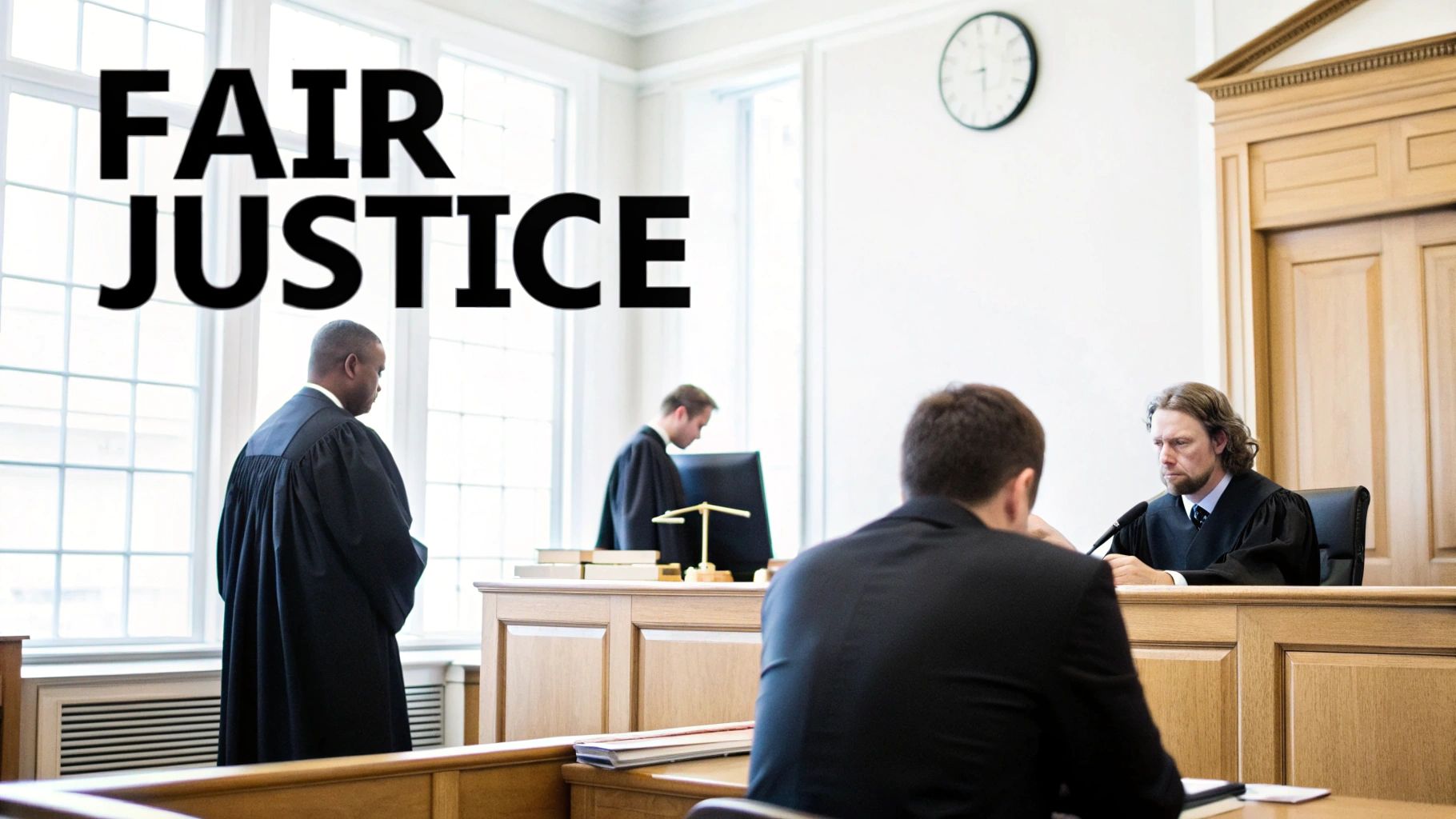
Getting fair compensation in an employment discrimination case often comes down to skillful settlement negotiations and dispute resolution. This requires both employees and their attorneys to take a careful, strategic approach - from assessing the true value of your case to determining the best path forward, whether through direct negotiation or alternative methods.
Evaluating Settlement Offers and Your Leverage Points
The first step is understanding what makes for a reasonable settlement amount. This means looking at both concrete losses like missed wages and benefits, as well as harder-to-quantify damages like emotional distress and harm to your career prospects. Having experienced employment discrimination attorneys helps put numbers to these different types of damages so you know what to aim for.
Your negotiating power depends on key factors like the strength of your evidence, how much liability the employer faces, and their motivation to avoid drawn-out litigation. For example, if you have emails or recordings showing discriminatory treatment, or if the company has faced similar complaints before, they may be more eager to settle. Understanding these dynamics helps shape your negotiating strategy.
Alternative Dispute Resolution: Exploring Mediation and Arbitration
While many cases settle through direct talks between attorneys, alternative dispute resolution (ADR) methods like mediation and arbitration can offer effective paths to resolution. In mediation, a neutral third party helps facilitate productive discussion between both sides to reach an agreement. This tends to be less adversarial than going to court. However, mediation outcomes aren't binding - if no deal is reached, you can still pursue litigation.
Arbitration takes a more formal approach, with an arbitrator reviewing evidence and making a binding decision that courts will generally enforce. While arbitration can save time and money compared to a trial, it provides less opportunity for evidence discovery and appeals. The choice between ADR methods depends on your specific situation - for instance, if privacy is a priority, private arbitration may be preferable to a public trial.
Strategies for Effective Negotiation and Achieving Favorable Outcomes
Successful settlement negotiations require clear communication, realistic expectations, and smart compromises. Go in knowing your case's strengths and weaknesses. While seeking maximum compensation is natural, consider creative solutions too - like getting the employer to change discriminatory policies. Staying professional even during tough discussions helps create an environment where agreements can happen.
Consider a case where an employee faced discrimination in promotions. Beyond seeking back pay, they negotiated for the company to implement objective promotion criteria going forward. This achieved both individual justice and systemic change. Having knowledgeable employment discrimination attorneys guides these strategic decisions and protects your interests throughout settlement talks.
Resolving employment discrimination cases through settlement negotiations is challenging but achievable with the right approach and support. AskLegally helps individuals understand their rights, settlement potential, and legal options. To learn more about protecting yourself from workplace discrimination, visit AskLegally today. Our resources and attorney network can guide you toward a fair resolution.