How to File an Insurance Claim: Essential Strategies for Getting Your Money Faster
Making Smart Decisions About Filing Your Claim
Filing an insurance claim isn't as simple as it may seem. You'll want to carefully evaluate your situation before moving forward. Beyond just reporting damage and getting a payout, you need to consider both short-term benefits and long-term consequences. Making the right choice means weighing the immediate financial relief against potential premium increases and impacts to your insurance record.
Evaluating Your Situation
Take time to carefully assess the damage and repair costs before contacting your insurance company. This initial review helps determine if filing a claim makes financial sense. For minor damage you can easily pay for yourself, a claim may not be worth it. Understanding your policy's deductible and coverage limits is critical - if repairs cost less than your deductible, you won't receive any payout anyway.
Policy Implications and Timing
Your insurance policy is a binding contract, so know exactly what it covers. Pay attention to filing deadlines and requirements. While quick reporting is often needed, strategic timing can sometimes help, especially if you've filed other recent claims. Multiple claims in a short period could trigger higher rates. For context, only about 5% of insured homeowners file a claim each year, with most averaging one claim every 10 years. In 2021, roughly 3% of insured homes filed a claim. Learn more about homeowner insurance statistics
Considering Alternatives
Before filing, explore other options. A trusted contractor might offer competitive rates below your deductible. Factor in how a claim could affect your future premiums - immediate relief may cost more long-term. Take time to compare filing versus paying out-of-pocket. By understanding your policy details and specific situation, you can make the choice that provides the best outcome. Smart decisions about claims today can lead to significant savings over time.
Building an Ironclad Documentation Strategy
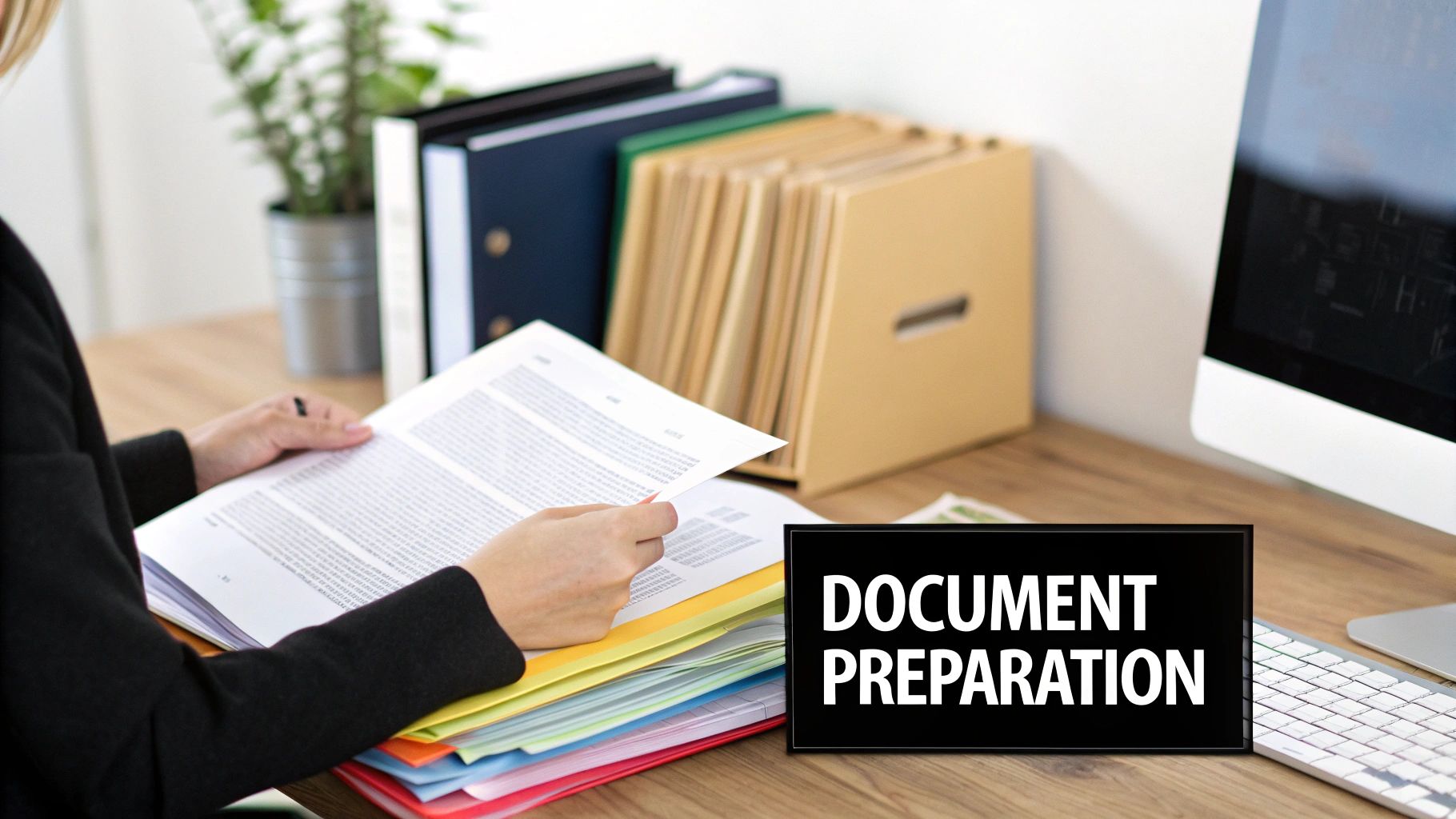
Having strong documentation is crucial for getting a positive outcome on your insurance claim. Gathering and organizing your evidence in a clear, compelling way helps demonstrate the validity of your case. Think of it like preparing for court - the more solid proof you have, the better positioned you'll be.
Capturing Compelling Evidence
Start documenting right after the incident happens. For instance, if a storm damages your house, take plenty of photos and videos before making any repairs. This initial visual record helps show the full extent of the damage. Keep every receipt for repairs, temporary housing, or other expenses related to the incident.
- Photos and Videos: Take clear shots showing damage from multiple angles
- All Receipts: Save records of every expense tied to your claim
- Witness Information: Get contact details and written statements from any witnesses
Organizing Your Documentation
A messy, disorganized claim can seriously slow things down. Set up a clear system for your documents, whether paper or digital. Use a binder with tabs, labeled file folders, or cloud storage. Creating a simple spreadsheet helps track important details like dates, contacts and costs.
- Timeline Order: Sort documents by date to show sequence of events
- Categories: Group similar items together (receipts, letters, etc.)
- Digital Backup: Keep secure electronic copies of all key documents
Presenting Your Case Effectively
When submitting your claim, organize everything in a clear, easy-to-follow way. A well-structured claim shows you're prepared and helps the adjuster quickly understand what happened. This often leads to faster processing and potentially better settlements.
- Overview Letter: Briefly explain what happened and what you're requesting
- Item List: Detail all damaged/lost items with estimated values
- Regular Updates: Stay in touch with your adjuster and quickly provide any info they need
Successful insurance claims involve more than just filling out forms. Taking time to build thorough documentation is key to getting fair compensation. This careful approach simplifies the process and strengthens your position for a positive outcome.
Understanding and Managing Financial Implications

Filing an insurance claim impacts your costs both now and in the future. Let's look at some real numbers from homeowners insurance claims in 2022. A single claim led to an average premium increase of $168. With three claims, premiums jumped to $2,916 per year. And homeowners with five claims faced premiums of $4,407 annually. Get more claims statistics.
How Claims Affect Your Future Rates
Insurance companies look closely at both the type and number of claims you file. Each claim can push up your rates and may even affect whether companies will insure you in the future. Keeping your claims to a minimum often saves more money in the long run.
Smart Ways to Control Costs
Here are proven ways to keep your insurance costs in check:
- Compare Repair Costs: Sometimes paying out of pocket costs less than filing a claim
- Plan Your Timing: Space out claims when possible to avoid rate increases
- Choose Smart Deductibles: Pick a deductible you can afford while keeping premiums reasonable
Many savvy policyholders have saved thousands by making careful decisions about when and how to file claims.
Managing Your Deductible and Timing
Your deductible choice directly affects your premiums - a higher deductible usually means lower regular payments. Just make sure you can cover that deductible amount if needed. Also think carefully about when you file claims. Multiple claims in a short time often trigger bigger rate increases than spread-out claims.
These practical steps help control your insurance costs while maintaining good coverage. For specific guidance on your situation, visit AskLegally to explore resources that match your needs.
Mastering the Claims Filing Process
Filing an insurance claim can seem daunting at first. But understanding each step and what to expect makes the process much more manageable. Let's walk through how to handle your claim effectively and work towards the best possible outcome.
Initial Notification: First Steps Matter
Start by promptly notifying your insurance company about what happened. Quick reporting shows you're taking the claim seriously and helps get things moving. Have these key items ready when you make that first call:
- Policy Number: Keep this handy for quick reference
- Basic Facts: Prepare a simple, factual description of what occurred
- Essential Details: Note the date, time, location, and anyone else involved
The Claims Investigation: Working With Your Adjuster
After you report the claim, the insurance company assigns a claims adjuster to review your case. The adjuster examines the damage and gathers information to determine what the policy will cover. Be ready to:
- Meet with the adjuster for inspections when needed
- Provide any requested documents promptly
- Answer questions honestly and thoroughly
- Stay patient as the investigation progresses
Claim Evaluation and Negotiation: Making Your Case
Once the investigation wraps up, the adjuster evaluates your claim based on your policy coverage and the evidence collected. If their initial offer seems low, you can negotiate for a fair settlement. Your detailed documentation becomes crucial here in supporting your position.
- Review your policy carefully to understand your coverage
- Be prepared to discuss the specifics of your case
- Use your documentation to justify the settlement you're seeking
Settlement and Finalization: Closing Your Claim
When you reach an agreement, the insurance company provides a settlement offer. Take time to carefully review all settlement documents before accepting. You can always consult a legal professional if you have questions about the terms.
- Examine the settlement offer thoroughly
- Consider getting legal advice if needed
- After accepting, expect payment according to the agreed timeline
Being organized and proactive through each phase gives you the best chance at a positive outcome. Keep good records, stay in communication with your adjuster, and don't hesitate to ask questions along the way.
Building Productive Relationships with Adjusters

Working well with your insurance claims adjuster can make a big difference in the outcome of your claim. While you don't need to be best friends, creating a professional and respectful relationship helps things run more smoothly. When you understand their role and work together effectively, you're more likely to receive a fair settlement.
Understanding the Adjuster's Role
Claims adjusters investigate cases for insurance companies. Their main tasks include assessing damage, reviewing policies, and determining appropriate payouts based on coverage terms. Knowing that adjusters must follow specific company guidelines helps set realistic expectations. While they may not be working against you directly, they do have responsibilities to their employer.
Effective Communication Strategies
Good communication makes a real difference when working with your adjuster. Be sure to provide accurate details, respond quickly to requests, and stay professional in all interactions. This builds trust and gives the adjuster what they need to process your claim properly. Focus on facts and evidence rather than getting emotional or confrontational.
- Be Quick to Respond: Prompt communication shows you're organized and taking the claim seriously
- Share Complete Information: Give clear, accurate accounts of what happened and resulting damages
- Stay Professional: Keep interactions respectful, even during disagreements
Negotiation Techniques and Presenting Evidence
Think of your claim like giving a presentation - the clearer and more compelling your case, the better your chances of success. Organize all your documentation carefully, including photos, videos, receipts and other evidence that supports your position. Present everything in a way that makes your case as strong as possible.
- Focus on Key Evidence: Highlight the documentation that best proves your claim
- List Specific Costs: Include exact amounts for all damages and expenses
- Be Ready to Discuss: Prepare to explain and justify the settlement amount you're requesting
Handling Difficult Conversations and Appeals
Sometimes you may disagree with your adjuster's decisions or face other challenges. Address any concerns calmly and professionally, keeping records of all your communications. For guidance on appealing decisions you disagree with, resources like AskLegally can help. Understanding your rights and options helps you effectively work through difficulties and pursue fair resolution of your claim.
Securing Your Future After the Claim

Getting through the claims process is a big win, but your work isn't done yet. What you do after your claim can make a real difference in your future insurance costs and coverage. Here's how to protect yourself going forward.
Documenting the Settlement: A Crucial First Step
Once your claim settles, careful record-keeping becomes essential. Make sure to save your final settlement agreement, all communications with the insurance company, and proof of repairs or replacements. These records protect you if questions come up later. For example, if you discover more damage related to the original incident, good documentation helps connect the dots for a follow-up claim.
Implementing Preventive Measures: Reducing Future Risks
Filing a claim often shows weak spots in your protection setup. Take this chance to make smart changes that lower your risk of future problems. If you had water damage, for instance, you might want to add waterproofing or fix drainage issues around your property. These improvements not only protect your home but may qualify you for lower insurance rates.
Optimizing Coverage for Future Security
Your claims experience gives you valuable insight into what insurance coverage you really need. Take time to look over your policy details. Check if you need to adjust your coverage limits, deductibles, or types of protection. This review helps make sure you're ready if something happens again.
Policy Review and Premium Management
Look over your policy each year, even without claims. Your life changes and property values shift, affecting what coverage you need. Check for available discounts and compare prices from different insurance companies to get good value. For example, you might save money by bundling home and auto insurance. A good credit score can also help lower your rates.
Making Smart Choices Going Forward
Understanding how to handle insurance claims helps you take control of your coverage. Use what you've learned to make better choices about protection and risk management. Focus on preventing problems while keeping the right coverage in place.
For expert legal help with insurance matters, visit AskLegally. Their resources help you understand your rights and make smart insurance decisions.