How to File Workers Comp: The Ultimate Step-by-Step Guide for Success
Understanding Your Rights and Building a Strong Foundation
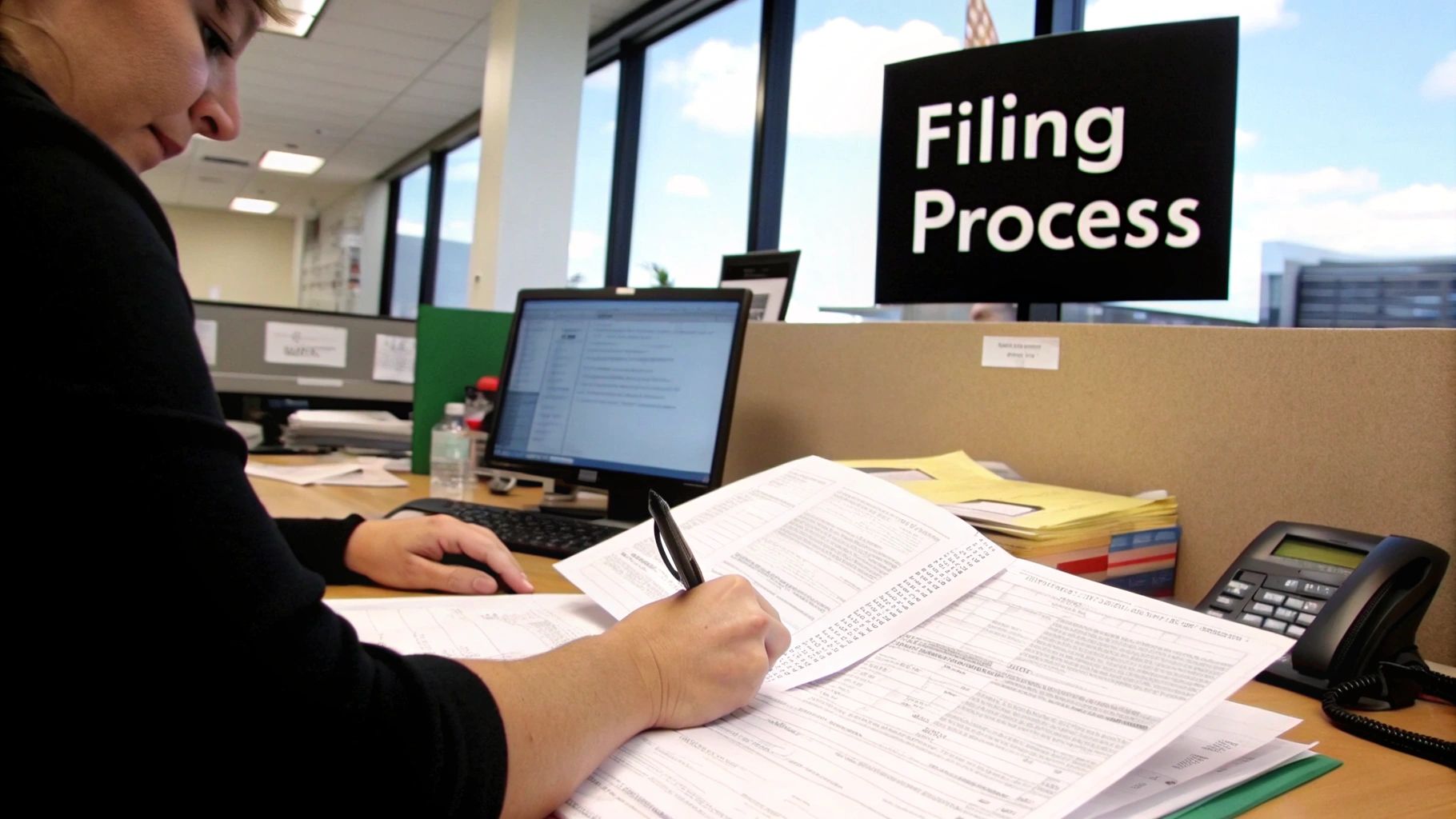
Filing for workers' compensation can seem overwhelming at first, but knowing your fundamental rights helps clear the path forward. Let's explore the key elements you need to understand to file a successful claim.
Knowing What You're Entitled To
The workers' compensation system protects injured workers by providing several important benefits. Beyond just covering medical expenses, you may qualify for disability payments to replace lost wages if your injury prevents you from working temporarily or permanently. The system also offers rehabilitation services - both physical therapy to help you recover and vocational training to help you return to work. Think of these benefits as building blocks that work together to support you after an injury.
Identifying Qualifying Injuries
Before filing a claim, you need to understand which injuries qualify for coverage. The basic rule is that the injury must happen while you're doing your job or on company property. Each state has its own specific rules about what's covered. Some states include repetitive stress injuries like carpal tunnel syndrome, while others focus mainly on immediate accidents. Occupational illnesses from exposure to harmful materials at work may also qualify. The key is showing a clear connection between your work and the injury.
Time-Sensitive Steps That Matter
Timing is crucial when filing for workers' compensation. Each state sets strict deadlines for reporting injuries and submitting claims. Waiting too long can seriously hurt your chances of approval. As soon as an injury occurs, tell your supervisor and start the official paperwork. For example, if you delay reporting a back injury by several weeks, the insurance company may question whether it really happened at work. These initial steps create the foundation for your entire case.
Learning From Success: Real-World Examples
Looking at successful claims helps reveal what works. Take the case of a construction worker with a back injury - he carefully documented every medical visit and kept in regular contact with his employer and insurer throughout the process. His thorough approach led to fair compensation. In another example, an office worker proved her carpal tunnel syndrome came from years of repetitive typing by gathering detailed records of her daily computer work and getting strong medical evidence linking the condition to her job duties. Their experiences show that good documentation and clear communication make a real difference. By following their lead, you can strengthen your own claim.
Taking Immediate Action After Workplace Injuries

Getting hurt at work can be confusing and overwhelming. However, knowing exactly what steps to take right after an injury is essential for protecting both your health and your right to workers' compensation benefits. The actions you take in those first moments and hours can significantly impact your claim's success, so it's important to proceed carefully and deliberately.
Reporting the Injury: The First Crucial Step
As soon as you're injured at work, report it to your supervisor - regardless of how minor it may seem. Put the details in writing, including when and where it happened and how you were hurt. Quick reporting is key since states have strict deadlines. For instance, if you wait too long, questions might come up about whether your injury really happened at work, especially with injuries that develop over time like carpal tunnel syndrome. Think of it like a car accident - the sooner you document what occurred, the better positioned you'll be.
Documenting the Incident: Building a Strong Case
Beyond filing that initial report, you need thorough documentation to support your claim and show how your work duties led to your injury. Be sure to collect and maintain:
- Medical Records: Save copies of all medical reports, diagnoses, treatment plans, and bills.
- Incident Reports: Get a copy of the official incident report your employer files.
- Witness Statements: If anyone saw what happened, get their contact details and written accounts of what they observed. This is particularly helpful if there's any dispute later about how the injury occurred.
- Photos and Videos: When possible, take pictures or video of the accident scene, your injuries, and any equipment or conditions involved.
Seeking Medical Attention: Prioritizing Your Health
Getting prompt medical care isn't just about your recovery - it also strengthens your workers' compensation claim. Give medical providers a clear, accurate description of how you got hurt and specify that it happened at work. This creates an official record linking your injury to your job duties, which is crucial for establishing your right to benefits.
Understanding Your Rights and Responsibilities
While workers' compensation rules can be tricky, knowing your basic rights from the start makes a big difference. Remember - you can file a claim for any work-related injury, even if no one was at fault. In many states, you also have the right to choose your own doctor within the workers' comp network. While you should cooperate with your employer and their insurance company, don't sign anything you don't fully understand. If you feel confused about the process, consider talking to a workers' compensation attorney who can explain your options and help ensure you get the benefits you deserve. Taking time to understand the system early on often leads to better results with your claim.
Mastering the Modern Claims Filing Process
Filing a workers' compensation claim requires careful attention to detail and a solid grasp of the process. As more jurisdictions move to digital systems, understanding both online and traditional filing methods has become essential. Let's explore the key steps and best practices for submitting a strong claim.
Utilizing Online Platforms and Traditional Methods
Many states now offer online portals for submitting claims, which can speed up processing and make tracking easier. For example, New York State's OnBoard system has significantly reduced paperwork and processing times. While online filing is becoming standard, traditional paper methods remain available and sometimes necessary. It's important to be comfortable with both approaches to ensure your claim moves forward smoothly.
Gathering and Organizing Medical Documentation
Strong medical documentation forms the foundation of any successful claim. Keep all your records in chronological order, including initial doctor visits, specialist reports, treatment plans, and medical bills. Each document should clearly connect your injury to your work activities. Think of these records as telling the complete story of your injury and recovery journey.
Coordinating With Healthcare Providers
Good communication with your medical team plays a vital role in claim success. Make sure your healthcare providers clearly document how your injury relates to your work activities. Keep them updated about any changes in your condition or treatment needs. This helps build a clear connection between your injury and job duties - a key factor in workers' comp cases.
Ensuring Your Claim Meets All Requirements
Different states have specific rules and deadlines for workers' comp claims. Review these guidelines carefully to avoid common problems that can delay or derail your claim. Missing deadlines or submitting incomplete paperwork are frequent issues. Following the requirements step-by-step, like following a detailed recipe, helps ensure nothing gets overlooked.
Avoiding Common Filing Errors
Despite careful preparation, mistakes can happen. Common issues include incorrect information on forms, missing supporting documents, and missed deadlines. In 2023, the New York State Workers' Compensation Board processed hundreds of thousands of claims, with many likely facing preventable delays. Double-checking all details before submission helps prevent these setbacks.
Expert Tips for Using Digital Tools
Digital tools can make organizing and managing your claim much easier. Consider using password-protected cloud storage to securely store your records. Email provides an efficient way to communicate with your healthcare provider and the workers' compensation board. Just be sure to follow proper privacy and documentation standards, even when using digital methods. This balanced approach combines modern convenience with established best practices.
Building Strong Relationships With Key Stakeholders

The success of your workers' compensation claim often comes down to how well you communicate with everyone involved. Your healthcare providers, insurance representatives, and employer all play important roles in determining the outcome. Building good working relationships with each of these key people can help your claim go more smoothly and increase your chances of getting the benefits you deserve.
Communicating Effectively With Healthcare Providers
Your doctors and medical providers are crucial allies in your workers' comp claim. They provide the medical documentation that proves your injury happened at work and supports your case. When describing your injury to your doctor, be direct and specific about how it occurred on the job. Getting this clear connection established from the start is essential.
Make sure to keep your providers updated about how your recovery is going and any changes in your condition. For instance, if you start experiencing new symptoms or your pain levels change, tell your doctor right away so they can document it. Regular communication helps build a thorough medical record that demonstrates the ongoing impact of your workplace injury. This documentation is vital both for ensuring proper medical care and supporting your claim.
Navigating Insurance Company Interactions
Dealing with the insurance company can be one of the trickier parts of a workers' comp claim. But staying professional and organized in your communications can make things easier. Insurance adjusters need to verify that your claim is valid and determine appropriate costs. Help them do their job by providing clear, well-organized documentation. Always answer their questions honestly and promptly, and keep records of all your conversations and correspondence. Being organized and transparent helps build trust.
Remember that adjusters have to follow specific regulations and company policies. Understanding this helps you anticipate what information they'll need. Give them concrete evidence to support each aspect of your claim. Taking this approach speeds up their evaluation process and helps prevent unnecessary delays.
Maintaining a Positive Relationship With Your Employer
While pursuing your workers' comp claim, it's important to keep things professional and respectful with your employer. Let them know how your medical treatment is going and when you expect to return to work. Regular updates show you're committed both to your job and your recovery. This open communication also makes it easier to transition back to work when you're ready.
Work with your employer to plan any job modifications or accommodations you might need when you return. Taking initiative to discuss these details shows you want to be part of the solution. Keeping lines of communication open creates a more supportive environment during the claims process. This positive working relationship benefits everyone and demonstrates your dedication despite the challenges of your injury.
Navigating Resolution Pathways and Negotiations

Once you've filed your workers' compensation claim, knowing your options for resolving the case is essential for getting the best outcome. Much like choosing the right approach for any important task, selecting the most appropriate resolution path will help maximize your benefits. Let's explore the key ways to move your claim forward.
Understanding Informal Settlements
Informal settlements often provide the fastest and least stressful way to resolve a workers' comp claim. This approach involves direct discussions with the insurance company to reach an agreement on compensation that works for both sides. For straightforward injuries with clear medical costs, like a broken wrist requiring a set course of physical therapy, informal settlements can be very effective. The process is similar to any negotiation - both parties have their ideal outcome in mind but work together to find middle ground.
Preparing for Formal Hearings
Sometimes a more structured approach becomes necessary, especially if the insurance company disputes your claim or makes an insufficient settlement offer. In these cases, you may need to present your case at a formal hearing before a workers' compensation judge. Success requires thorough preparation - gathering medical records, witness statements, and other key evidence. Think of it as building a solid case to prove your position, much like preparing for any formal proceedings.
Effective Negotiation Techniques
Whether pursuing an informal settlement or getting ready for a hearing, good negotiation skills make a real difference. You'll need to clearly explain how your injury affects your ability to work and earn income, back up your case with solid medical evidence, and understand what your claim is truly worth. One worker secured better compensation by providing detailed documentation showing both lost wages and reduced future earning potential due to their injury.
Recognizing When to Seek Legal Counsel
The workers' compensation process can be tricky to handle alone. While you can start by managing your claim yourself, certain red flags signal it's time to get legal help. These include claim denials, unresponsive insurance companies, or lowball settlement offers. A workers' compensation attorney understands your rights, can negotiate effectively with insurers, and advocate for you at hearings. This becomes especially important for cases involving pre-existing conditions or permanent disabilities.
Evaluating Settlement Offers
Any settlement offer requires careful evaluation to ensure it covers both current and future needs. Consider immediate medical costs as well as potential ongoing care expenses, lost wages, and impacts on your long-term earning ability. The New York State Workers' Compensation Board handled hundreds of thousands of claim resolutions in 2023, highlighting how important it is to understand the process and negotiate fair settlements. Don't hesitate to get legal advice about whether an offer is adequate. Remember that settlements are usually final, so getting it right initially is crucial.
Overcoming Common Challenges and Securing Your Benefits
Getting workers' compensation can be complicated, and many people face obstacles during the process. However, understanding the typical challenges and knowing how to address them can help you get the benefits you deserve. Let's look at some key issues that come up and strategies for handling them effectively.
Addressing Initial Claim Denials
Having your initial claim denied can be frustrating, but it's a common occurrence. Claims may be rejected due to incomplete paperwork, disputes over how the injury occurred, or inconsistencies in medical records. For instance, if your doctor's report doesn't clearly state that your injury happened at work, the insurance company might deny coverage. Don't lose hope though - many claims that are initially denied end up being approved after appeal.
The key is keeping detailed records from day one. Save all medical documents, correspondence with your employer and insurer, and anything else related to your case. Working with a workers' compensation attorney can also make a big difference during appeals. They can identify exactly why your claim was denied and build a strong appeal based on legal precedent and the specifics of your situation.
Handling Complex Medical Documentation
Medical records are essential for proving your workers' compensation claim. However, gathering and organizing these records can be tricky, especially if you're seeing multiple doctors for ongoing treatment. You also need to make sure the documentation clearly shows how your injury relates to your job duties, since this connection is required for getting benefits.
One helpful approach is keeping a detailed log of all medical appointments, treatments, and expenses. This gives you an organized reference throughout the process. It's also important to communicate openly with your healthcare providers about documenting the work-related nature of your injury in their reports. Clear medical documentation strengthens your claim and helps prevent delays or denials.
Appealing Unfavorable Decisions
If your claim is denied or you disagree with a decision about your benefits, you have the right to appeal. While the appeals process varies by state, it usually involves presenting your case to a workers' compensation judge or board. A successful appeal requires strong evidence and legal arguments. This might include additional medical records, witness statements, and expert opinions. Having an experienced workers' compensation attorney can be invaluable during appeals, as they know how to effectively present your case and advocate for your rights.
Maintaining Momentum and Seeking Support
Workers' compensation cases often take time, and it's common for claims to slow down or get stuck along the way. Staying proactive is essential for keeping things moving forward. Following up regularly with the insurance company, your employer, and your attorney helps ensure your claim stays on track.
It's also important to know when to get help. If you run into roadblocks, experience significant delays, or receive a denial, consulting a workers' compensation attorney can provide valuable guidance. They can explain your options, protect your rights, and fight for your interests. Remember that you don't have to handle this complex process alone.
The workers' compensation system has many legal complexities. For expert help and support with your claim, consider AskLegally. Their platform offers useful resources like free legal advice and settlement calculators to help you understand your rights and pursue fair compensation. Visit their website today to learn more.