
There is no universal pain and suffering calculation. A multiplier is a negotiation starting point, not a legal rule, while California's jury instructions state there is “no fixed standard” for valuing noneconomic damages.
You may be staring at an adjuster's first offer with medical bills in one hand and a settlement release in the other. The number may look precise, but precision doesn't make it fair. In most injury claims, the true value comes from documented facts: what happened to your body, how long treatment lasted, what doctors expect next, and how the injury changed sleep, work, family life, and ordinary activities.
A defensible valuation isn't a calculator result. It's a damages narrative supported by records and shaped by state law. The sections below show how to test an offer, use calculation methods without mistaking them for legal formulas, document delayed harm, and recognize when handling the claim yourself has become a costly gamble.
What the First Insurance Offer Is Really Telling You
The first offer often arrives before recovery is complete. You may have attended a few appointments, missed work, and started receiving bills, yet the adjuster presents a neat figure for “pain and suffering.” That figure usually tells you more about the insurer's opening position than about the full value of your injury.
The common mistake is treating a multiplier as if a statute requires it. An adjuster may multiply medical expenses by a chosen factor, but that shortcut doesn't account for every injury consequence. It may overlook sleeplessness, reduced mobility, caregiving problems, fear of driving, or the possibility that symptoms will persist.
California's Judicial Council instructions put the legal point plainly. There is “no fixed standard” for deciding noneconomic damages. Jurors use judgment, evidence, and common sense to reach a reasonable sum, and future harm must be reasonably certain. California's civil jury instructions also distinguish future noneconomic damages from future economic losses.
Practical rule: Treat the first offer as an invitation to negotiate, not as an objective pain and suffering calculation.
Read the offer as a checklist
Before responding, separate the offer into questions:
- What injuries did the adjuster accept? Compare the offer letter with your diagnoses, imaging, treatment notes, and specialist opinions.
- What recovery period did the insurer assume? A short assumed recovery can erase weeks of documented symptoms.
- What daily-life effects were ignored? Look for missing work restrictions, sleep problems, household limitations, and activity changes.
- What legal deductions apply? Check fault disputes, policy limits, statutory restrictions, and any release language.
A strong response doesn't demand more money. It identifies each unsupported assumption, ties the correction to evidence, and explains how the injury affected your life. The aim is to replace the insurer's unexplained number with a documented valuation that another adjuster, mediator, or jury can understand.
What Pain and Suffering Actually Means in a Claim
Pain and suffering is a form of noneconomic damage. It differs from medical bills, wage loss, and other economic damages because it compensates for consequences that don't arrive with an invoice. Physical discomfort, emotional distress, reduced mobility, disrupted sleep, and loss of ordinary activities belong in the story when the evidence supports them.
California's jury framework identifies the facts that matter most:
- Nature of the injury: What part of the body was harmed, and how serious is the condition?
- Intensity: How severe are the symptoms, and how often do they occur?
- Duration: Did the pain resolve, continue, or become permanent?
- Treatment: What appointments, therapy, medication, procedures, or other care did recovery require?
- Prognosis: What does the medical evidence say about future limitations?
- Effect on ordinary activities: What can't you do, or what now requires help, planning, or pain?
Those factors turn an abstract claim into a human account. “Back pain” is weak by itself. “I couldn't lift my child, slept poorly, stopped driving, and needed help with household tasks” gives the adjuster specific consequences to evaluate, especially when medical records and witness observations support it.
Past harm and future harm are different
Past pain can be documented through treatment notes, prescriptions, work restrictions, symptom entries, and testimony. Future pain requires more than fear that symptoms might continue. The claimant must establish that future harm is reasonably certain, and the award is calculated in current dollars at judgment under the California framework.
That makes prognosis evidence critical. A doctor's statement about persistent limitation carries more weight than a claimant's unsupported prediction. If recovery remains uncertain, don't sign a broad release before you understand what the settlement gives up.
For a practical legal explanation of how to evaluate non-economic damages, compare your own records against the categories above. You can also review AskLegally's personal injury guidance while organizing the facts and questions you may later take to counsel.
A short educational video can help visualize how insurers frame these methods:
The Two Methods You Will Hear Adjusters Use
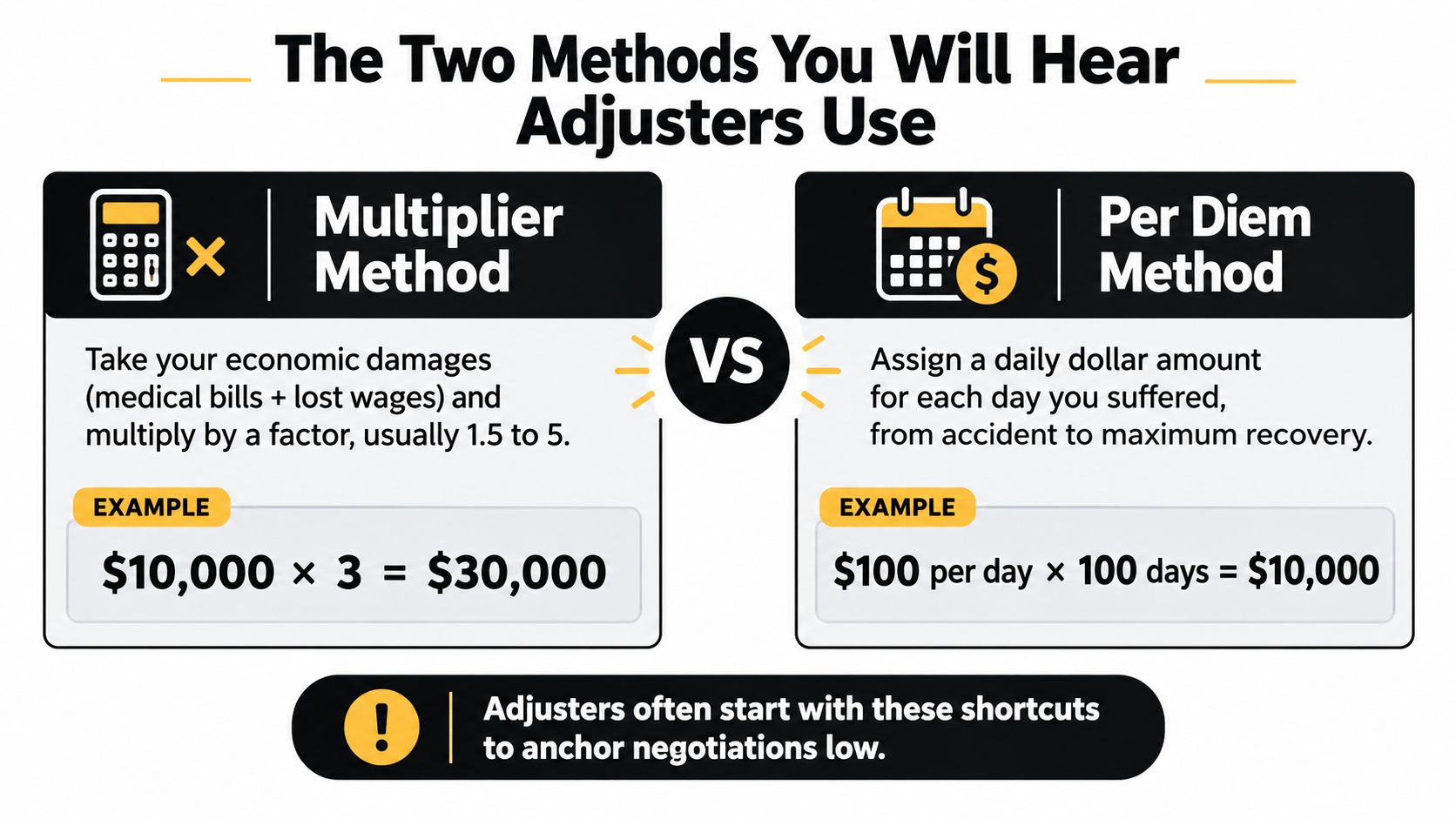
An adjuster may put your claim into one of two formulas: the multiplier method or the per diem method. Treat both as negotiation tools, not court rules. A formula creates an opening number. Your records must explain why that number fits the injury.
Multiplier versus per diem
The multiplier method begins with economic damages, usually medical expenses and documented wage loss, then applies a selected factor. The per diem method assigns a daily amount to the period of suffering and multiplies it by the documented recovery period.
| Element | Multiplier Method | Per Diem Method |
|---|---|---|
| Starting point | Economic damages | Days affected by the injury |
| Core question | How serious and disruptive was the injury? | What daily value reasonably reflects the suffering? |
| Strongest setting | Conditions with significant treatment or lasting effects | Injuries with a reasonably defined recovery period |
| Main weakness | Can reduce a complex life impact to one factor | Can undervalue permanent or uncertain harm |
| Evidence needed | Bills, treatment, severity, prognosis, life impact | Symptom duration, treatment timeline, daily limitations |
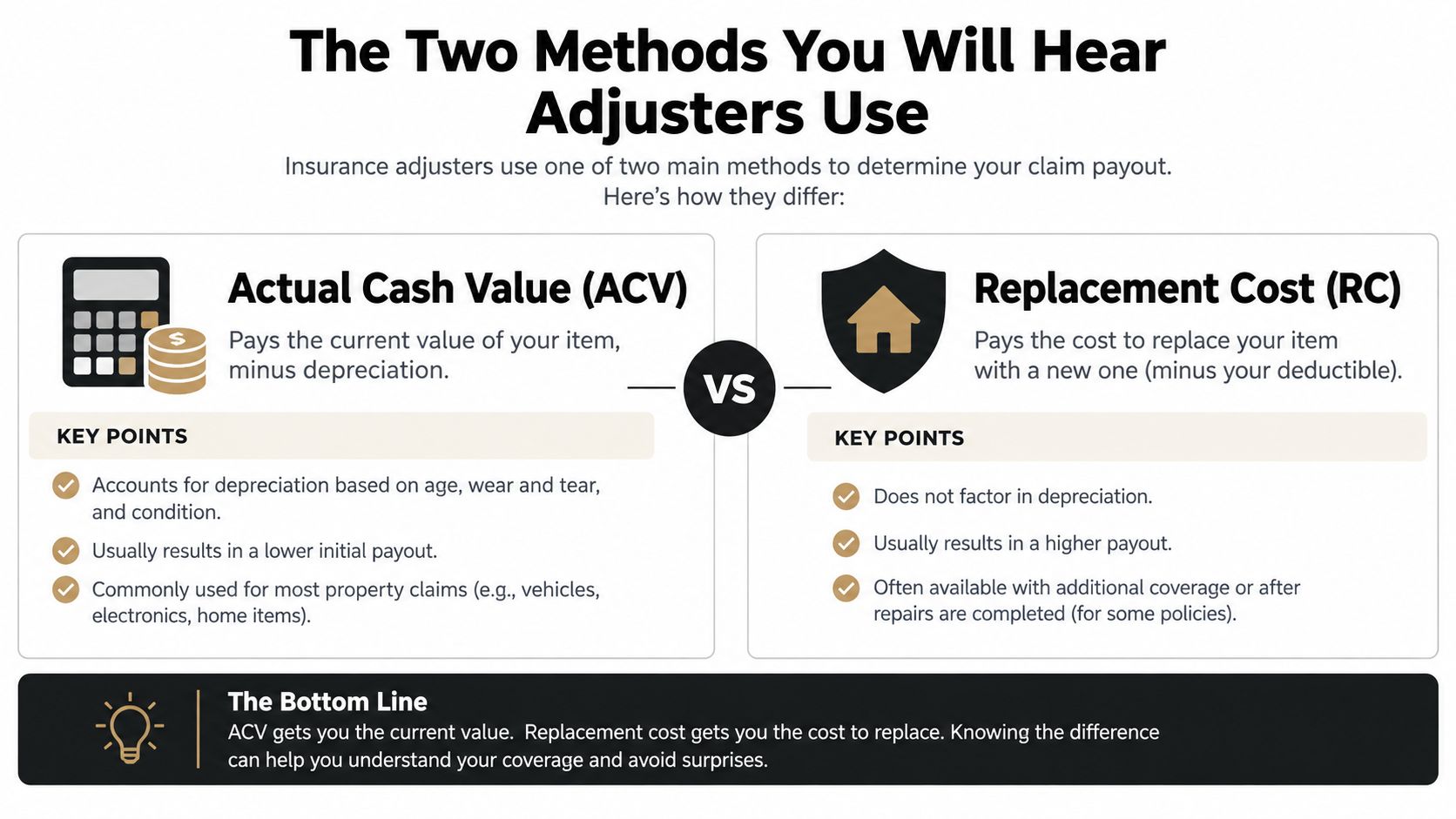
Use bills here to set the multiplier base. Then identify the severity, treatment duration, prognosis, and life-impact facts that justify the chosen factor before testing a per diem figure. Medical expenses show the treatment record and help establish seriousness, but the persuasive work comes from connecting those expenses to what the injury changed in daily life.
Empirical research involving court cases found that noneconomic awards were associated with medical expenses, injury severity, treatment duration, and the amount demanded. That supports using bills as an anchor rather than treating them as a complete formula. A Cornell Law Faculty publication explains why a universal multiplier does not reliably account for actual awards.
The per diem method gives a long recovery a concrete structure. Set out what each day involved, including restricted movement, disrupted sleep, therapy, and missed ordinary activities. A daily figure becomes harder to defend when symptoms fluctuate, the injury is permanent, or no reliable endpoint exists.
Use Bell Law claim valuation advice as a check on the central question: why does the proposed amount fit this claimant's actual injury and recovery? If you cannot answer that with treatment records, symptom details, and evidence of disrupted life, changing the formula will not fix the demand. The method is secondary. The documented story controls its credibility.
Working Through Two Real Calculation Examples
Arithmetic can expose a weak anchor, but it cannot turn an unsupported assumption into a defensible claim. The examples below are illustrations, not predictions of an insurer's offer or a court award.
Assume two drivers sustain moderate soft-tissue back injuries in rear-end collisions. Each incurs $8,500 in medical expenses. Their potential valuations diverge because treatment length, daily limitations, and documentation differ.
Example A with limited documentation
The first driver treats briefly, returns to work soon, and keeps no symptom journal. For illustration:
- Multiplier approach: $8,500 × 1.5 = $12,750
- Per diem approach: $150 × 60 days = $9,000
These figures are negotiation anchors, not proof of value. Brief treatment and sparse records let the insurer argue that the injury resolved quickly. A valid claim can still exist, but a claimant seeking more must connect the amount to medical notes, restrictions, and specific effects on daily life.
Example B with a longer documented recovery
The second driver has the same $8,500 in medical expenses, while treatment continues for six months. Providers document work restrictions, and a symptom journal records lost sleep, difficulty lifting a child, and reduced daily activity. For illustration:
- Multiplier approach: $8,500 × 3.5 = $29,750
- Per diem approach: $300 × 180 days = $54,000
The higher figures remain arguable only because the records support duration and functional loss. A larger factor or daily rate does not establish entitlement by itself. The insurer may dispute severity or duration, but specific evidence gives the claimant an answer to each objection.
After calculating both methods, test every figure against the file:
- Treatment dates: match the recovery period to appointments, therapy, prescriptions, and follow-up notes.
- Work restrictions: identify the dates and duties affected, then connect them to provider instructions or employer records.
- Journal entries: use dated descriptions of sleep loss, lifting problems, and missed activities to show the injury's daily effect.
Use this car crash compensation calculator guide as an organizational aid, not a promised settlement amount. If a result rests on undocumented assumptions, do not present it as a finished demand. Rebuild the calculation around records first.
Why State Rules Can Shrink the Headline Number
A jury's figure isn't always the amount a claimant can recover. Caps, comparative-fault rules, policy limits, claim classifications, and settlement releases can change the practical value before money reaches the injured person.
California's MICRA history shows why jurisdiction matters. For decades, California capped noneconomic damages in medical-malpractice cases at $250,000, covering pain, suffering, emotional distress, and mental anguish. RAND analyzed 257 plaintiff verdicts from California malpractice trials occurring from 1995 through 1999. In cases where the original noneconomic award was at or below the cap, the cap-related calculation increased net recoveries by 19 percent. Cases with original noneconomic awards above $1 million experienced a 28 percent reduction. RAND's analysis shows how statutory rules can alter the result after a jury has valued the harm.
Those figures concern medical malpractice, not ordinary auto claims. Don't transfer them to a rear-end collision without checking the governing law. Auto-accident claims may involve different rules, and the applicable state may limit recovery differently or not at all.
Check the legal ceiling before choosing a number
Before making a demand, identify:
- Claim type: Auto negligence, medical malpractice, premises liability, and other claims can follow different statutory rules.
- Fault allocation: Your own alleged role in causing the crash may reduce recovery under applicable comparative-fault law.
- Available insurance: A strong damages case can still face practical limits if coverage is insufficient.
- Damage categories: Economic and noneconomic damages may receive different treatment.
- Deadlines: A settlement strategy is useless if a filing deadline expires.
The headline number matters, but the collectible number matters more. A lawyer can evaluate the jurisdiction, defendants, coverage, and procedural deadlines before you anchor negotiations to an amount the law may restrict.
How to Document the Injuries an Adjuster Cannot Ignore
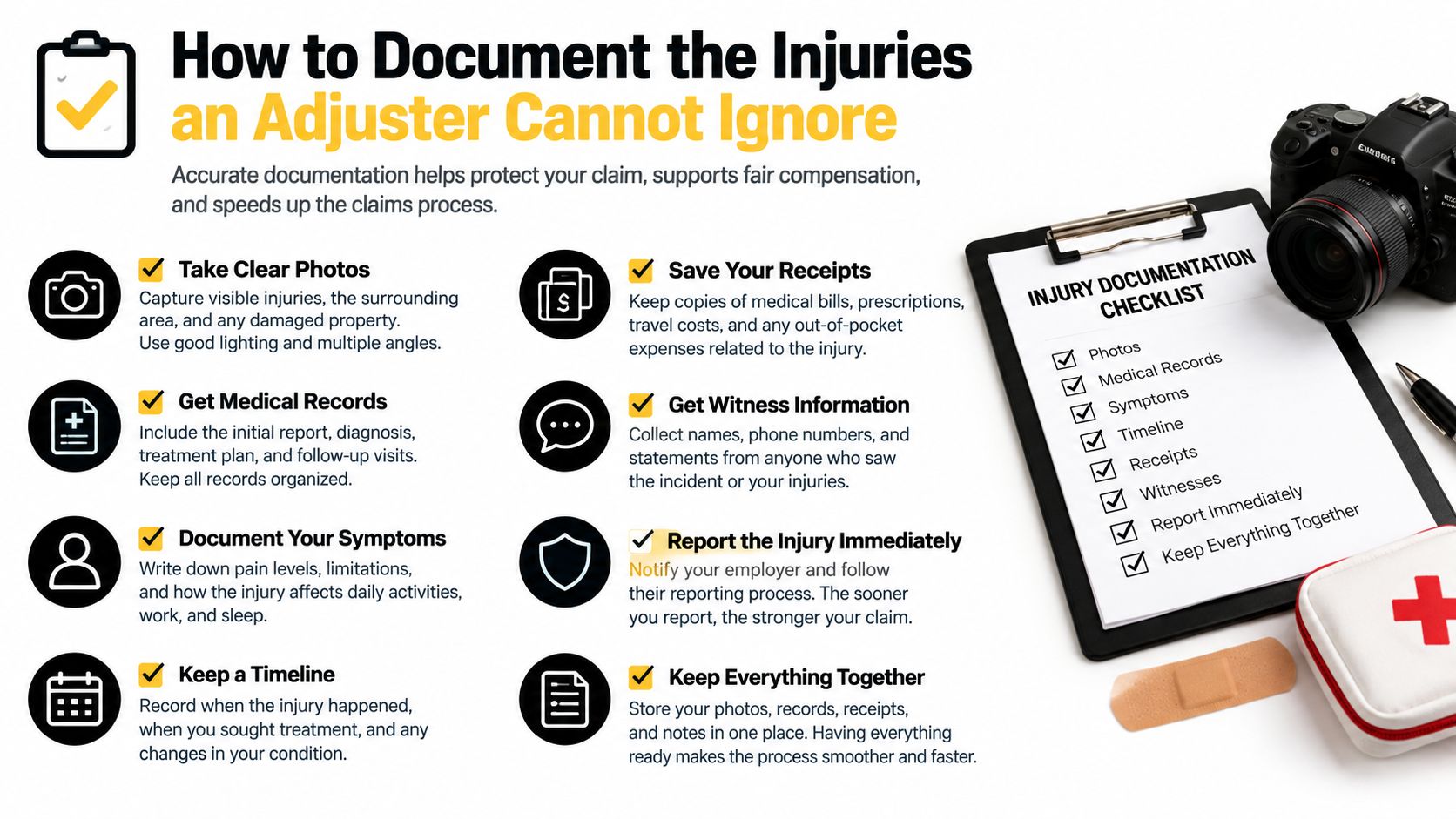
Medical bills show spending. They don't fully show what the injury cost you in sleep, movement, family time, confidence, or household work. Your file should connect the clinical diagnosis to the ordinary tasks that became painful, impossible, or dependent on help.
Start with records created close to the event. Save emergency records, follow-up notes, imaging reports, prescriptions, therapy plans, referrals, work restrictions, and receipts. Ask providers to document functional limitations accurately, especially when symptoms continue after the initial visit.
Build a daily record
A dated symptom journal can fill the gap between appointments. Keep entries factual and specific:
- Symptoms: Record location, intensity, frequency, and triggers without exaggeration.
- Sleep: Note when pain or anxiety interrupts rest and how that affects the next day.
- Activities: List tasks you avoided, modified, or needed help completing.
- Work: Track missed time, reduced duties, restrictions, and attempted returns.
- Relationships: Describe caregiving, social, or household changes that others can observe.
Photographs can document visible bruising, swelling, scarring, or restricted movement. Family members, coworkers, and friends can describe before-and-after changes, but their statements should identify what they personally observed rather than repeat conclusions about legal value.
One federal estimate attributed $106 billion to lost market and household productivity from motor-vehicle crashes, compared with $31 billion in medical expenses for the 2019 crash year. The comparison appears in research published by Duke Law. It highlights why a claim focused only on medical invoices can miss a large part of the injury's practical effect.
Don't close the file too early
Delayed symptoms deserve attention. Pain, sleep disruption, anxiety, reduced mobility, and work problems may become clearer after the initial shock fades. Seek appropriate follow-up care and document the change before discussing a final release.
Never assume an early settlement leaves room for later compensation. A signed release may end the claim even if the recovery path was uncertain. Ask what rights the document waives, what liens or bills remain, and whether your medical outlook is sufficiently clear to settle.
Negotiating With the Insurance Company Without Losing Ground
Negotiation works better when you present a structured story instead of arguing that the offer “feels low.” Send a written response that identifies the accepted facts, disputed assumptions, treatment timeline, functional effects, and amount you seek. Attach or reference records that allow the adjuster to verify each important point.
Don't volunteer a casual explanation that can be quoted against you. Avoid saying you are “fine” when you mean you are managing, and don't speculate about full recovery if your doctor hasn't given that opinion. Keep social media posts consistent with your actual limitations, because photographs or casual activity can be stripped of context.
What to say: “I'm still under treatment, and my documented restrictions and ongoing symptoms aren't reflected in this offer. I'll provide the relevant records once my medical outlook is clearer.”
The adjuster may push a low multiplier and ask you to justify a higher one. Answer by discussing duration, severity, treatment, prognosis, and life impact. If the per diem method better captures a defined recovery period, explain the daily evidence. If the injury may be permanent, don't let a short-term daily calculation disguise the long-term burden.
Objective documentation also protects against inconsistent human judgments. Experimental evidence indicates that identical injuries can receive different perceived pain and damages assessments depending on the victim's perceived race and gender. The NYU faculty article underscores why consistent records, medical evidence, and third-party observations should carry the argument rather than personality or presentation.
For additional guidance on negotiating an insurance settlement, use a simple rule: don't negotiate away uncertainty you haven't investigated. Pause before recorded statements, broad medical authorizations, or releases if fault, causation, or future treatment remains disputed.
When the DIY Phase Is Over and You Need a Lawyer
Self-handling can make sense when fault is clear, injuries resolve quickly, treatment is complete, and the insurer responds to well-supported documentation. It becomes risky when the claim involves facts you can't value or protect without legal analysis.
Contact a personal injury lawyer when:
- Fault is disputed: The insurer blames you or another person, or evidence is disappearing.
- The injury may be lasting: A specialist discusses surgery, permanent restrictions, chronic symptoms, or uncertain prognosis.
- The offer ignores the record: The insurer omits treatment, wage loss, functional limitations, or future consequences.
- Causation is challenged: The adjuster claims the condition was preexisting or unrelated to the crash.
- A deadline is approaching: Limitation periods and notice requirements vary by jurisdiction.
- Delayed symptoms appear: Your condition worsens or new physical or psychological effects develop before release.
An attorney can preserve evidence, control insurer communications, investigate coverage, analyze fault rules, obtain medical opinions, and present a damages narrative suited to negotiation or litigation. A contingency arrangement may allow representation without paying an hourly fee, but ask how fees, case costs, liens, and expenses are handled before signing.
The central self-assessment is straightforward. Can you prove what happened, explain the full recovery period, identify the legal rules that apply, and reject an inadequate offer without sacrificing future rights? If any answer is no, the claim has likely moved beyond the safe DIY stage.
AskLegally provides practical guidance on injury claims, insurance negotiations, documentation, and deciding when legal help makes sense. Visit AskLegally to review the available resources and request a free case review that can help you determine whether connecting with a participating personal injury lawyer is appropriate.